
About pcH USA
Small is beautiful, because people matter.
pcH USA is the United States arm of productive cooperatives Haiti, a Haitian organization that has worked without interruption in rural Haiti since 1984. We exist so that American supporters can invest directly in cooperatives that Haitian farmers own and run themselves.
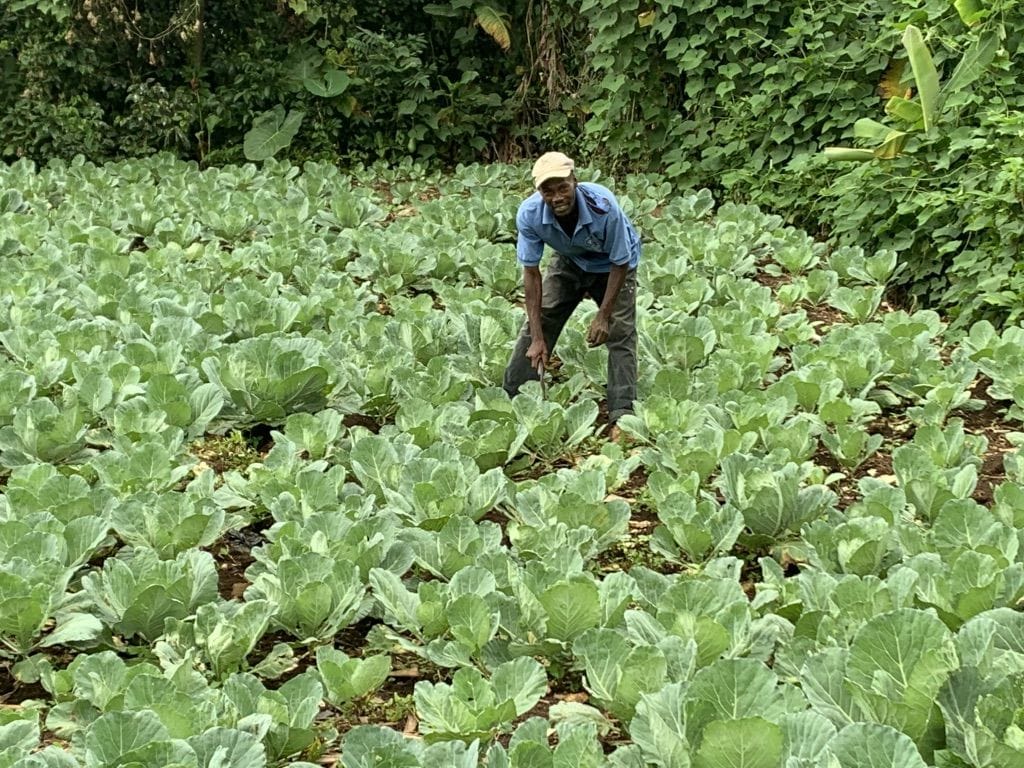
What we do
We fund and support member-owned agricultural cooperatives. That means seed capital and credit funds, training for elected cooperative committees, adult literacy for members, and community health programs. Every cooperative is founded, owned and governed by its members under the Seven International Principles of Cooperative.
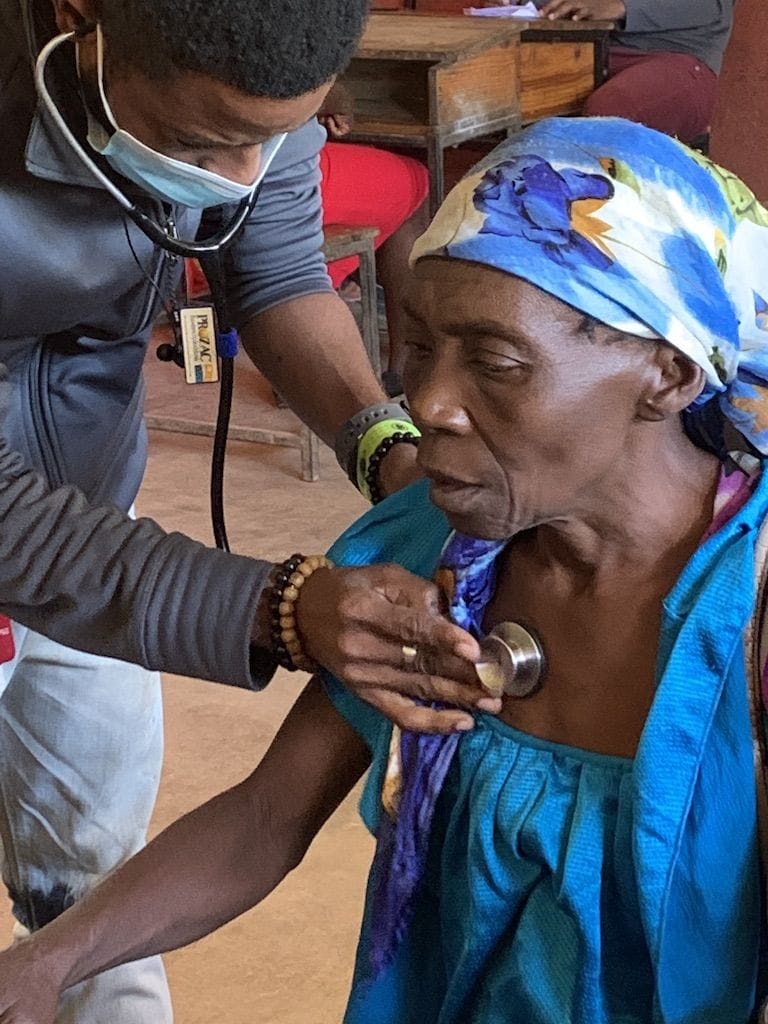
Where the work stands today
20 active cooperatives. 3,728 members, 2,000 of them women. 18,640 people reached across 20 communities in two departments. 11 community savings and loan groups with 420 members. A core Haitian team of 12, joined by 20 to 30 local contractors as the work requires.
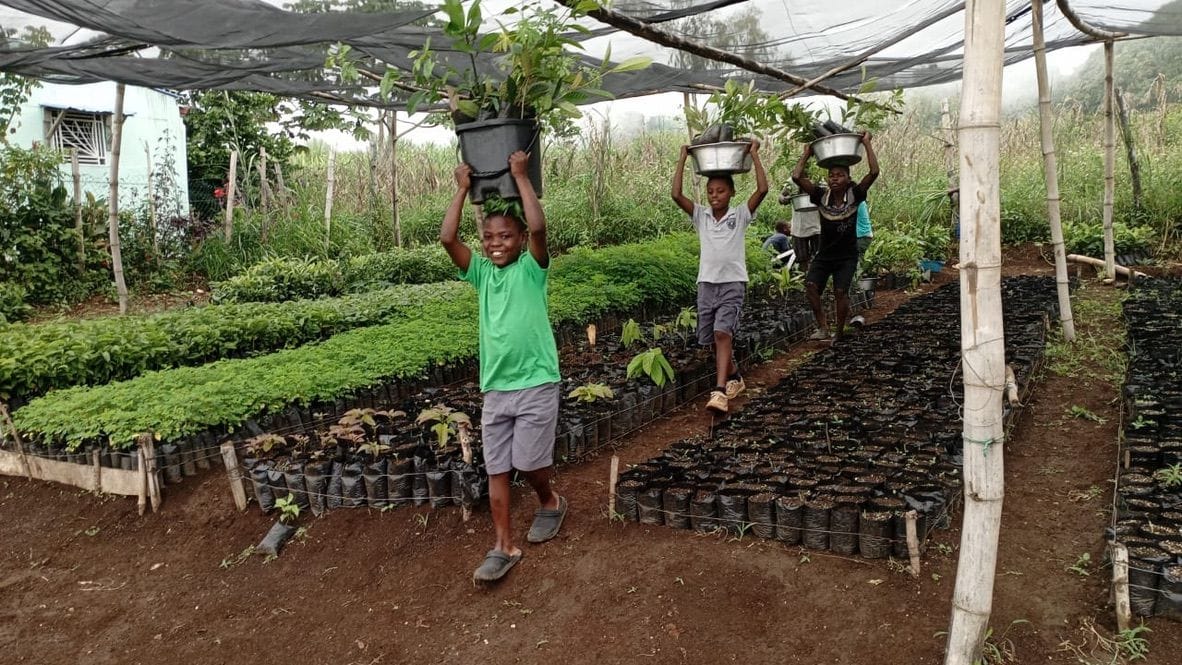
How we know it works
In 2025 an independent evaluation commissioned by partner organization World Renew surveyed 135 members. 95% reported a positive impact from at least one program. 82% said their needs had decreased. 78.5% judged that resources were well used. The same evaluation named areas to improve, including reaching young people and people with disabilities. We take both halves seriously.
Our founder
Jack Wall founded the work in 1984 on one principle: development must be envisioned, owned and managed by the people themselves. That principle has not changed. His daughter leads the organization today, as she has for decades.
Alongside him from the first day was his wife, Anne Wall. None of this would have been realized without her.
What forty years taught us
Everyone says development should be led by the people who live it. Few organizations stay long enough to learn what that takes. Since 1984 we have opened every conversation with a community the same way, and these are the lessons that shape it.
- We ask more than once. A community has every reason to wonder who is asking and why. The first answer is a beginning, not a conclusion. We return, we listen again, and only then do we invest. One visit is not enough, and pretending it is wastes money that belongs to the members.
- We earn trust before we spend a dollar. Caution is not an obstacle to work around; it is the memory of every promise a community has heard before. We plan for it, we name it, and we let time do its part.
- We start with reading and writing. A community cannot own a vision it cannot put on paper. Literacy gives men and women the tools to look at their world critically and change it, and everything else we do rests on it.
- We listen past the loudest voice. A leader, elected or appointed, may or may not speak for everyone. We keep going until the whole community has been heard and has agreed on what it wants to build and how.
- We know our place. We are guests. We stay patient, we stay consistent, and we follow the lead of the people whose cooperative it is.
Who we are
pcH USA is a Florida nonprofit corporation, incorporated in 2025 and recognized by the IRS as a 501(c)(3) public charity, EIN 41-2919506. It works in partnership with FIDA in Canada and pcH in Haiti.
pcH USA is governed by a volunteer board of directors. Board members serve without pay and carry fiduciary responsibility for the organization: they oversee its finances and answer for how every gift is used.